How are you keeping your inspection process consistent under pressure? For most aerospace MRO teams, the challenge is not just keeping up with increasing inspection volume. It is maintaining accurate, repeatable results across every component, technician, and turnaround window.
You are managing more inspections, with tighter timelines and fewer and less experienced technicians. At the same time, expectations around safety, traceability, and compliance continue to rise. That combination puts strain on your inspection process.
And when that strain builds, small gaps start to appear.
Though not obvious at first, over time, they show up in ways that are hard to ignore:
- Uncertainty when verifying materials or identifying defects.
- Rework caused by inconclusive or conflicting measurements.
- Different technicians produce different inspection results.
- Delays when components require additional validation.
These are not isolated issues. They are symptoms that your inspection process may not be as reliable or repeatable as it needs to be to meet the tighter specifications and timelines.
In aerospace MRO, that matters. Every inspection result feeds into a decision about safety, compliance, and operational readiness. If the data is inconsistent, decision-making becomes uncertain.
That is why non-destructive testing (NDT) and material property verification have become critical control points in modern aerospace maintenance.
The Cost of Inconsistent NDT Inspections in Aerospace Maintenance
When inspection accuracy breaks down, the impact spreads beyond a single test. It spreads across your entire operation.
A missed defect. A misidentified alloy. A result that cannot be repeated with confidence. Each one introduces risk that compounds over time.
- Undetected defects can evolve into in-service failures, directly impacting aircraft safety.
- Material inconsistencies can lead to machining issues, inconsistent wear, or rejected components.
- Repeat inspections and rework extend turnaround times and increase operational costs.
- Regulatory non-compliance exposes your entire organization to audits, penalties, and added scrutiny.
- Inconsistent results make it difficult to standardize processes across teams and locations.
In high-volume MRO environments, these issues do not stay small. What starts as a minor inconsistency can lead to delayed maintenance cycles, AOG, or failed audits.
That is why leading MRO organizations are shifting their focus. The goal is no longer just to perform inspections. It is to ensure those inspections are accurate, repeatable, and defensible every time.
Mobile NDT Solutions for Reliable Aerospace MRO Inspections
The challenge is not just having the right tools. It is understanding where inconsistency enters the inspection process in the first place. In most MRO environments, it comes down to a few common factors:
- Variability in technician experience and technique
- Differences in equipment sensitivity and calibration
- Limited ability to verify material properties or defects in the field
- Inspection cycles that force faster, less controlled inspections
We help you eliminate these variables by bringing accuracy, portability, and repeatability into your inspection workflow. Our mobile NDT solutions are designed to perform reliably in real-world aerospace environments, allowing you to standardize inspections without slowing down operations.
Our solutions are built to address the most common sources of inconsistency.
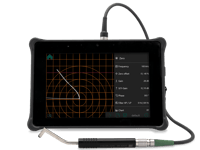 TCM for Crack Detection
Detect surface and near-surface cracks with high sensitivity using a range of probe options. Identify defects early and reduce the risk of in-service failures. Learn More.
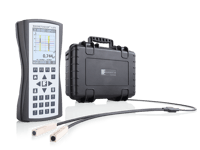 MAGNETOSCOP for Permeability Verification
Measure magnetic permeability with precision to confirm material properties and detect surface irregularities that impact performance. Learn More.
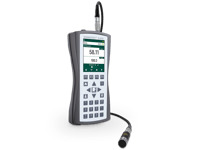 SIGMATEST for Material Verification
Verify alloy composition and heat treatment quickly through electrical conductivity measurements, ensuring components meet specifications without delays. Learn More.
When your inspection tools are designed for repeatability and ease of use, the impact is immediate:
- You standardize inspection results across technicians and locations.
- You reduce rework caused by inconsistent or inconclusive measurements.
- You speed up inspections without sacrificing accuracy.
- You improve turnaround times and operational efficiency.
- You strengthen compliance with traceable, repeatable data.
This is how inspection shifts from a potential point of failure to a controlled, reliable part of your process.
5 Ways to Improve Inspection Accuracy in Aerospace MRO Operations
Improving inspection consistency does not require a complete overhaul. It starts with focusing on the areas that directly impact your results.
- Define and enforce standardized inspection methods: Ensure every technician follows the same procedure for each application to eliminate variation.
- Conduct critical verification steps into the field: Perform material checks and defect detection at the point of maintenance to reduce delays and uncertainty.
- Use tools that deliver repeatable measurements: Prioritize equipment that minimizes operator influence and produces consistent results across users.
- Eliminate inspection bottlenecks: Identify where re-testing, lab dependency, or unclear results are slowing down your operation.
- Ensure every result is traceable and audit-ready: Capture reliable, documented data that supports compliance without adding extra steps.
The problem is not that inspections are not being performed. It is that many inspection processes are not designed for consistency at scale.
When your inspection processes are reliable, your team can move faster, reduce risk, and make decisions with confidence.
By combining precision, portability, and usability, we help you build an inspection process that keeps pace with modern aerospace MRO demands while maintaining the highest standards of quality.
Share this
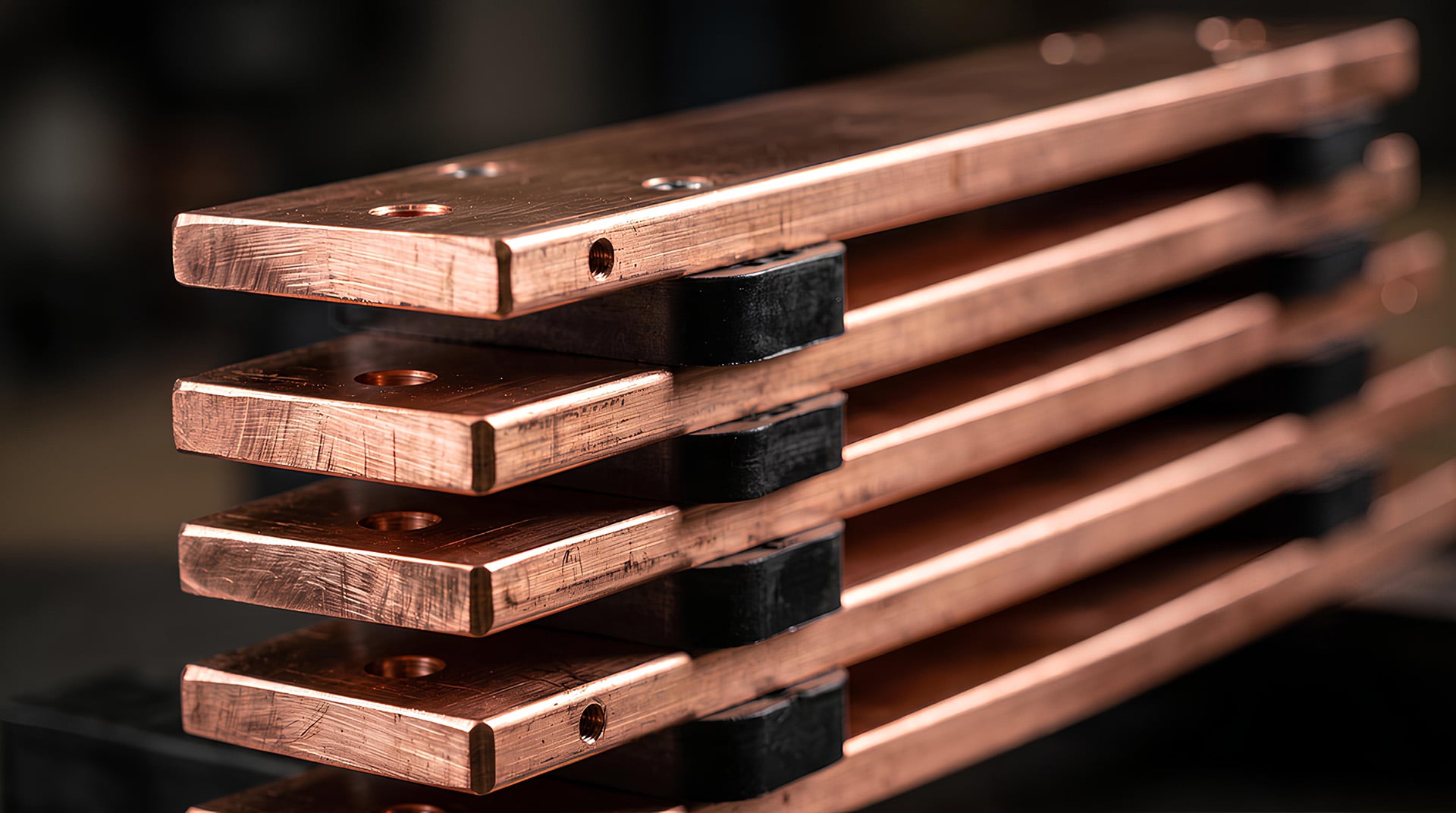
Measuring Conductivity in Copper and Aluminum Bus Bars

Copper Conductivity Testing for Accurate Material Verification