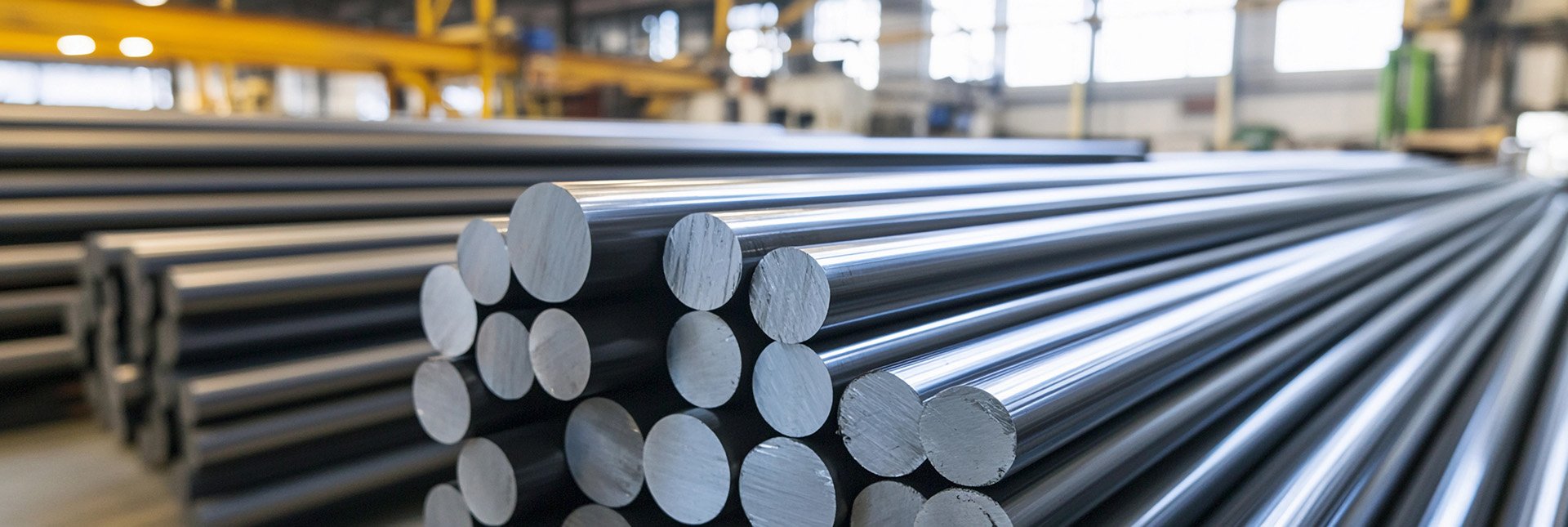
Zirconium, titanium, silicon carbide, and high-grade stainless steels are designed to perform in extreme environments. They can tolerate high temperatures, high pressure, corrosive media, and, in some cases, radiation exposure. For this reason, these specialty alloys are often used to produce seamless tubing for industries such as nuclear energy, aerospace, defense, and chemical processing.
Unlike welded tubing, seamless tubes are manufactured without a welded seam. Seamless tubes can perform reliably in high-pressure, high-temperature, or safety-critical environments. Because these tubes are often used in systems where failure is not an option, surface integrity becomes extremely important.
But these advanced materials can introduce critical quality concerns.
Surface defects in specialty alloys are often extremely small, seam-like, and difficult to detect. Micro-cracks, longitudinal tearing from processing, grinding damage, or handling marks can all compromise the material's integrity.
When these defects go undetected, the consequences can be serious:
-
Catastrophic failure in nuclear or high-pressure systems
-
Costly scrap of expensive specialty materials
-
Regulatory non-compliance and audit issues
-
Lost certifications or supplier approvals
You need an inspection process you can rely on to withstand regulatory scrutiny and other industry demands.
Why Surface Integrity Matters in Seamless Tube Manufacturing
While specialty alloys are a strong option for seamless tubing, they can also be expensive and difficult to manufacture. Many of these materials are produced in small batches or made to order. Scrap rates must remain extremely low to avoid the cost of wasted material.
Before you make the investment, it is important to understand the unique inspection challenges associated with different alloys, such as:
-
Zirconium used in nuclear cladding is sensitive to stress corrosion and cracking.
-
Silicon carbide (SiC) tubing is brittle and highly dependent on surface integrity.
-
Titanium can develop surface tearing or galling during processing.
The most common defects in seamless tubing are longitudinal surface defects, which often appear as fine, seam-like indications running along the tube. These defects can be extremely small, but still critical to detect.
As reliability standards increase, manual or inconsistent inspection methods become a risk rather than a safeguard. If you are still relying on outdated techniques, consider incorporating an automated eddy current test designed specifically for high-performance tubing.
Improving Seamless Tube Inspection for High-Performance Alloys
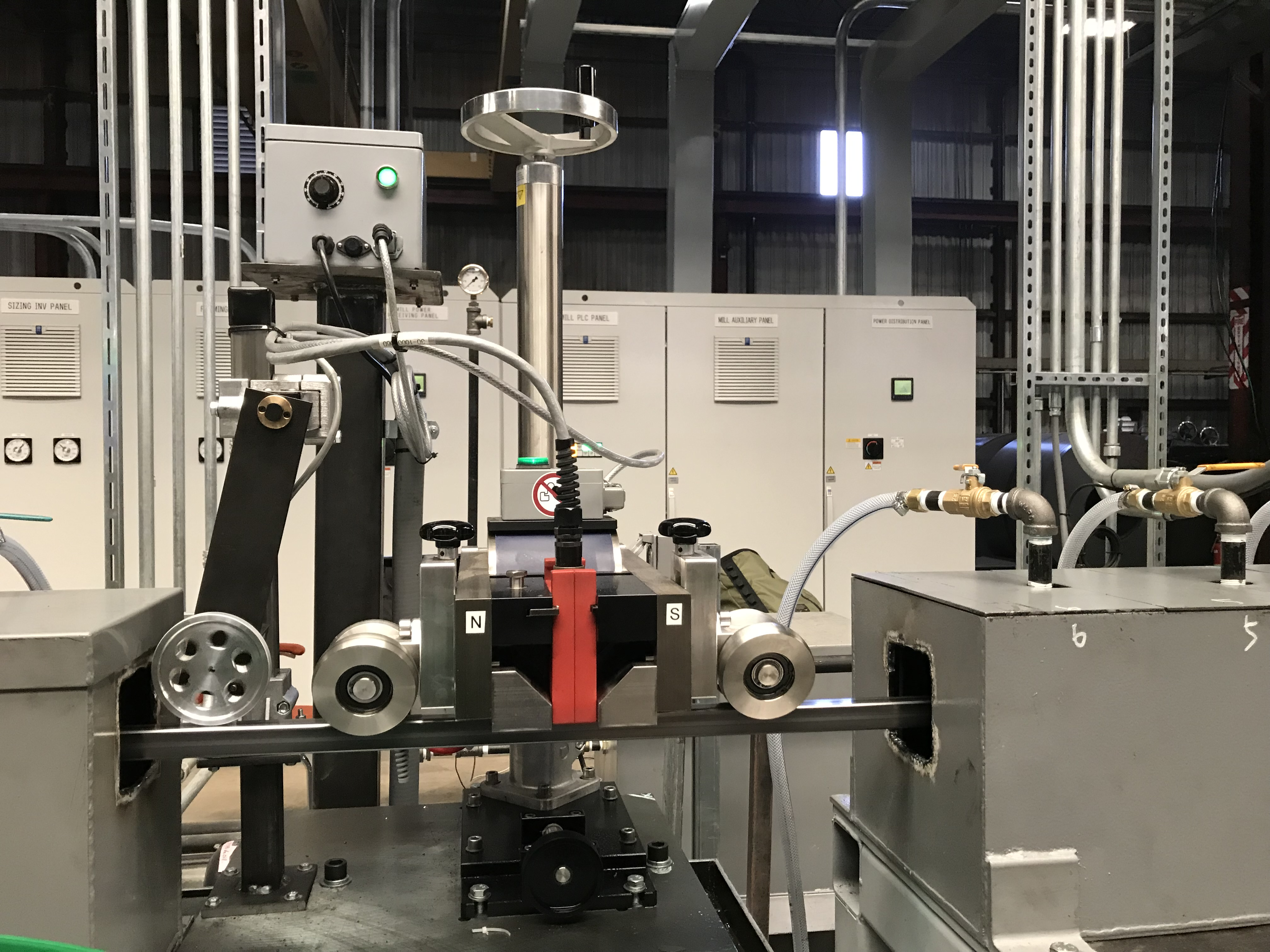
When you are working with specialty alloys, you need complete confidence in your inspection tools. The CIRCOGRAPH DA is a longitudinal surface inspection system that provides automated 360-degree inspection of seamless tubes.
The system allows you to reliably detect fine longitudinal defects that could otherwise go unnoticed. You can rely on the CIRCOGRAPH DA to deliver consistent results without relying on operator interpretation.
Having conclusive test results is just one of the key advantages to ensure performance and quality do not suffer. When you incorporate the system into your line, you can gain:
-
High sensitivity for detecting extremely fine longitudinal surface defects
-
Adjustable inspection settings to accommodate different alloy types
-
Non-contact sensor technology that keeps materials free from marks or damage
-
High inspection speeds suitable for continuous production lines
-
Capability to inspect tube diameters from approximately 2 mm to 130 mm
You can also combine the CIRCOGRAPH DA with the DEFECTOMAT DA to test for both longitudinal and circumferential defects.
Together, these two systems form the DEFECTOTEST DA system, enabling complete surface inspection of seamless tubes. This combination allows you to detect defects in multiple orientations while maintaining the speed and reliability required for modern production environments.
-
Beyond the hardware itself, we support your inspection process with:
-
Application expertise for specialty alloy inspection
-
Robust calibration standards to ensure repeatable results
-
Integration support with other production lines and complementary inspection technologies
-
Data logging and customizable reporting for quality documentation and regulatory audits
Our goal is to help you build an inspection process that not only detects defects but also supports the documentation, traceability, and consistency required in industries where quality standards continue to rise.
Next Steps for Improving Seamless Tube Inspection
As materials used in nuclear, aerospace, and other safety-critical industries continue to evolve, their inspection processes must evolve with them.
Specialty alloys are selected because they can perform under extreme conditions. However, that performance depends heavily on surface integrity. Even small longitudinal defects in seamless tubing can affect reliability, safety, and regulatory compliance.
When you implement a solution such as the CIRCOGRAPH DA or the full DEFECTOTEST DA system, you can:
-
Reduce the risk of undetected longitudinal surface defects.
-
Improve safety and regulatory compliance in critical industries.
-
Minimize scrap and rework of high-value specialty materials.
-
Maintain consistent, repeatable inspection processes.
-
Generate digital inspection records that support audits and traceability.
-
Ship high-performance tubing with greater confidence.
As you evaluate your current inspection process, start by asking yourself a few key questions:
-
Are you performing 100% surface inspection on your seamless tubing?
-
Can your current inspection method reliably detect fine longitudinal defects?
-
Is your inspection process repeatable and independent of operator interpretation?
-
Do you have digital records available for audits and regulatory compliance?
-
Is your inspection technology aligned with the performance expectations of the materials you produce?
If any of these questions raise concerns, it may be time to go ahead and reassess your inspection approach. When you partner with FOERSTER, you gain a partner who helps you evaluate inspection challenges, optimize testing processes, and implement solutions that support both production efficiency and long-term quality assurance.
Additional Resources:


.png)