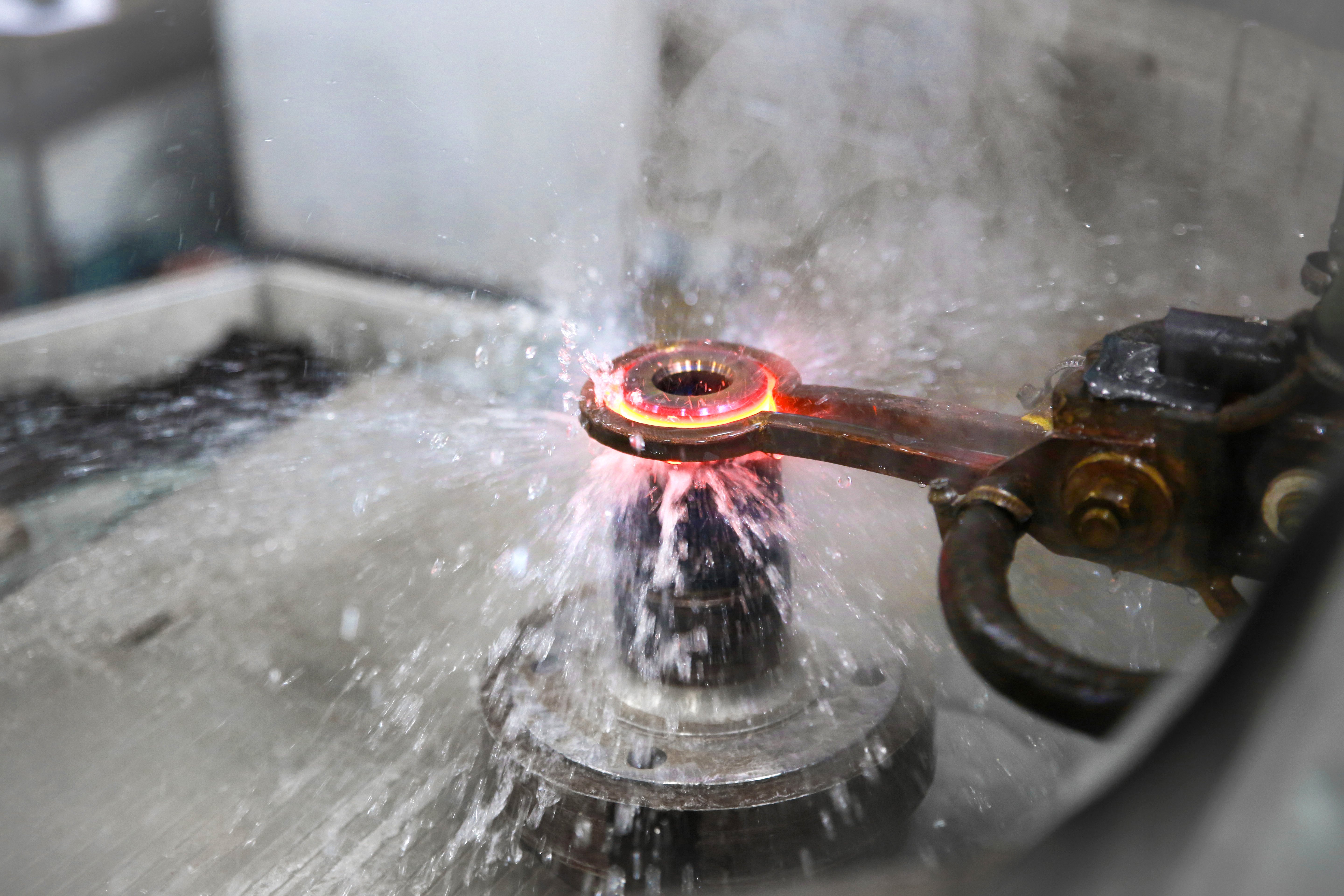
If you are still testing for crack detection and material property verification separately, is your quality process helping production move faster or slowing it down?
Traditional inspection setups often rely on separate systems, separate locations, or even offline lab results to verify surface integrity and material properties such as hardness, case depth, and alloy composition. Each handoff adds time. Each delay increases risk. And while quality waits for results, production keeps moving, increasing the likelihood of missed defects or, worse, large volumes of quarantined parts once a nonconforming condition is finally discovered.
We have already explored the value of inline hardness verification with the MAGNATEST TCL and the role the STATOGRAPH product family plays in reliable surface flaw detection. The next logical step is bringing those capabilities together.
The TCL product family is a modular platform for advanced automated eddy current testing changes that equation. Instead of dividing inspections across multiple stations, you can combine multiple test zones into a single setup and monitor them simultaneously. One platform. One automated resource. One user interface. Integrated directly into your production line.
Why It Matters: Efficiency, cost, and control in one system
Few things disrupt production faster than quarantined parts.
It usually starts with a late discovery. A crack shows up downstream. A hardness value falls out of spec. A lab result raises a red flag after production has already moved on. Suddenly, tens of thousands of parts are pulled from inventory and placed on hold while quality works to understand the scope of the issue.
The result? Shipments are delayed. Resources are diverted. Customer confidence is tested. And the cost keeps climbing with every hour the line stands still or runs without clear answers.
This is the risk of disconnected inspection processes.
By automating both surface flaw inspection and material property verification within a single inline system, the TCL product family allows you to inspect 100% of parts as they are produced. That visibility makes it possible to communicate upstream and correct the process before more nonconforming parts are made.
Inspection stops being reactive and starts serving as a control point within production itself.
How We Help: One automated platform that streamlines quality control
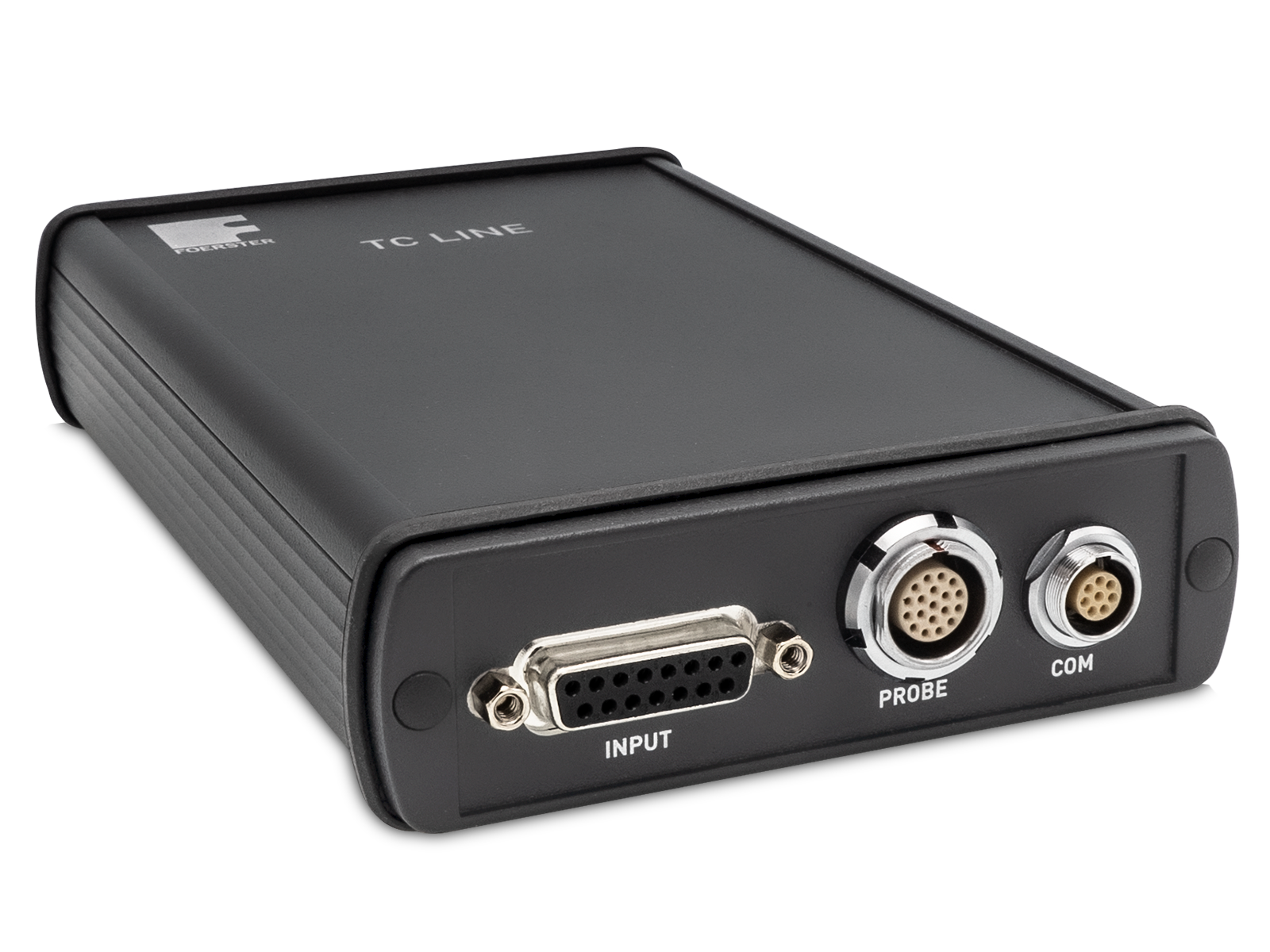 The TCL product family is designed to reduce the complexity by automating multiple tests within a single inline system.
You can complete all critical quality checks at one point in the production line and at production speed. The platform supports up to four test channels, allowing you to test for cracks, hardness, case depth, material structure, and alloy mix-ups. These systems can be delivered as fully automated turnkey solutions, designed to integrate seamlessly into your existing production environment.
This approach delivers real operational benefits:
-
Faster, inline testing that reduces lead time
-
Earlier detection of issues to prevent scrap and large part quarantines
-
Fewer shipment delays caused by late discovery
-
Elimination of manual and redundant inspection steps
-
Lower capital and operating costs by replacing multiple systems with one
Unlike traditional crack detection methods, which are slow and difficult to automate, the TCL product family is built for continuous, automated operation. The system can run high and low frequencies simultaneously and provide individual sorting outputs, giving you clear insight into what failed and why. That visibility allows you to act immediately, correct issues upstream, and keep production moving.
By integrating quality control directly into the production line, the TCL transforms inspection from a downstream checkpoint into an active tool for protecting throughput, cost, and customer trust.
When quality control is fully integrated into the production line, it stops being a safety net at the end of the process and becomes an active tool for protecting throughput, cost, and customer trust.
Key Takeaways: What you can act on now
Many inspection solutions still rely on multiple instruments to accomplish what should be a single task. That approach adds cost, complexity, and integration challenges, even when the underlying technology is sound. When you are ready to move beyond fragmented inspection strategies, there is a clear answer.
Take these practical steps to reduce risk, improve efficiency, and simplify your inspection strategy.
Is quality slowing production?
If crack detection, material verification, or lab testing occurs outside the production line, then you are adding lead time and increasing the risk of late discovery.
Are you relying on sampling to protect quality?
If only a small number of parts are tested to represent an entire batch, then you are increasing the likelihood of scrap, quarantined inventory, and late surprises.
Are inspection systems fragmented?
If you are operating multiple platforms for crack detection and material property verification, then you are adding unnecessary costs, complexity, and training effort.
Is automation an afterthought?
If your inspection systems are not fully integrated into the production line, then quality control becomes a downstream checkpoint instead of a real-time control tool.
Are problems being found too late?
If issues are discovered after parts are already produced or shipped, then corrective action becomes slower, more expensive, and more disruptive. 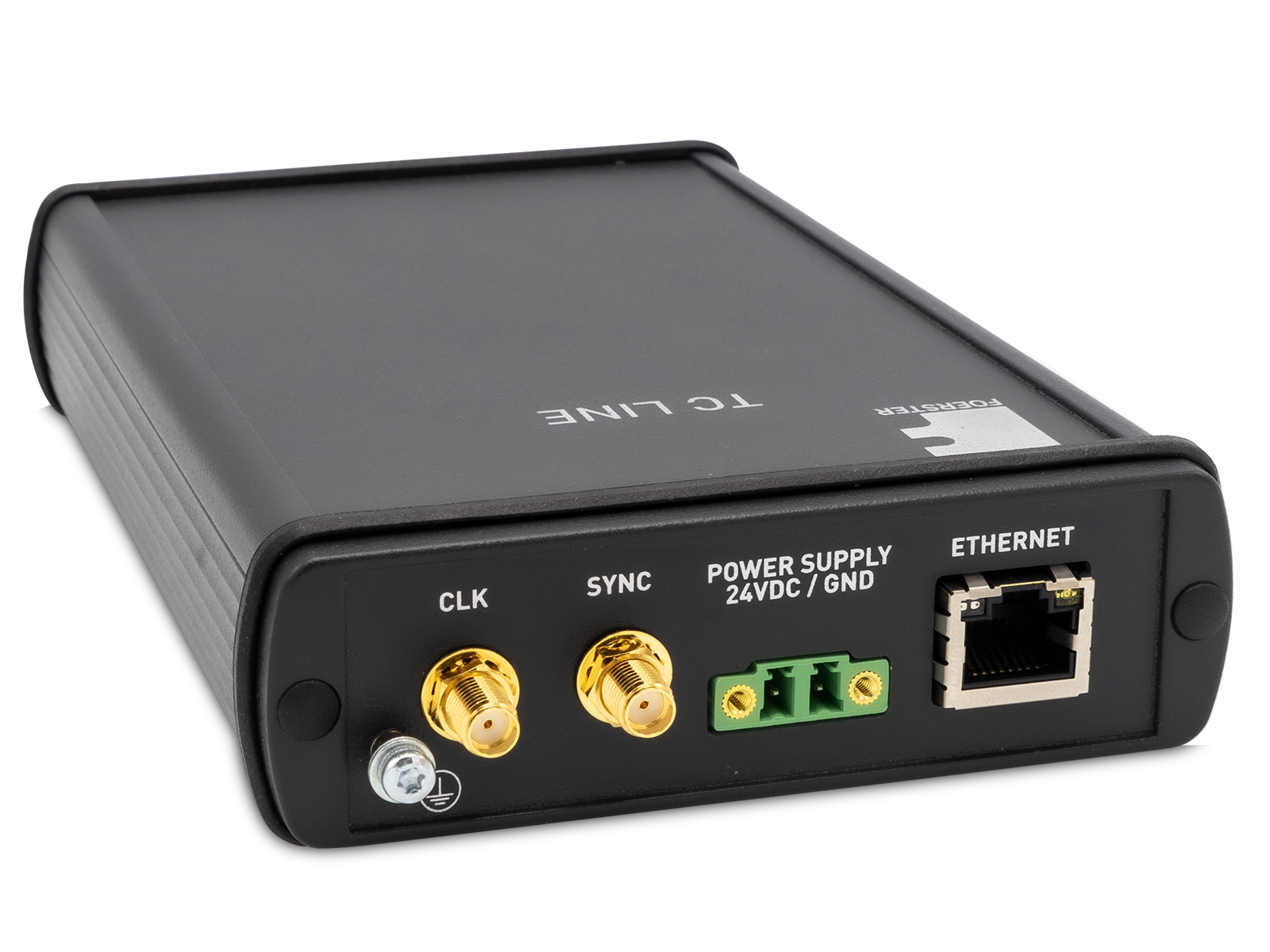 If these challenges feel familiar, the TCL product family offers a clear path forward. By automating surface flaw inspection and material property verification within a single inline platform, TCL helps reduce lead time, lower pseudo scrap, and simplify quality control. When delivered as a fully automated turnkey solution, the TCL product family saves time, reduces cost, and protects throughput without adding complexity to the production line.
Share this
6 Most Important Crack Testing Methods in Non-Destructive Testing
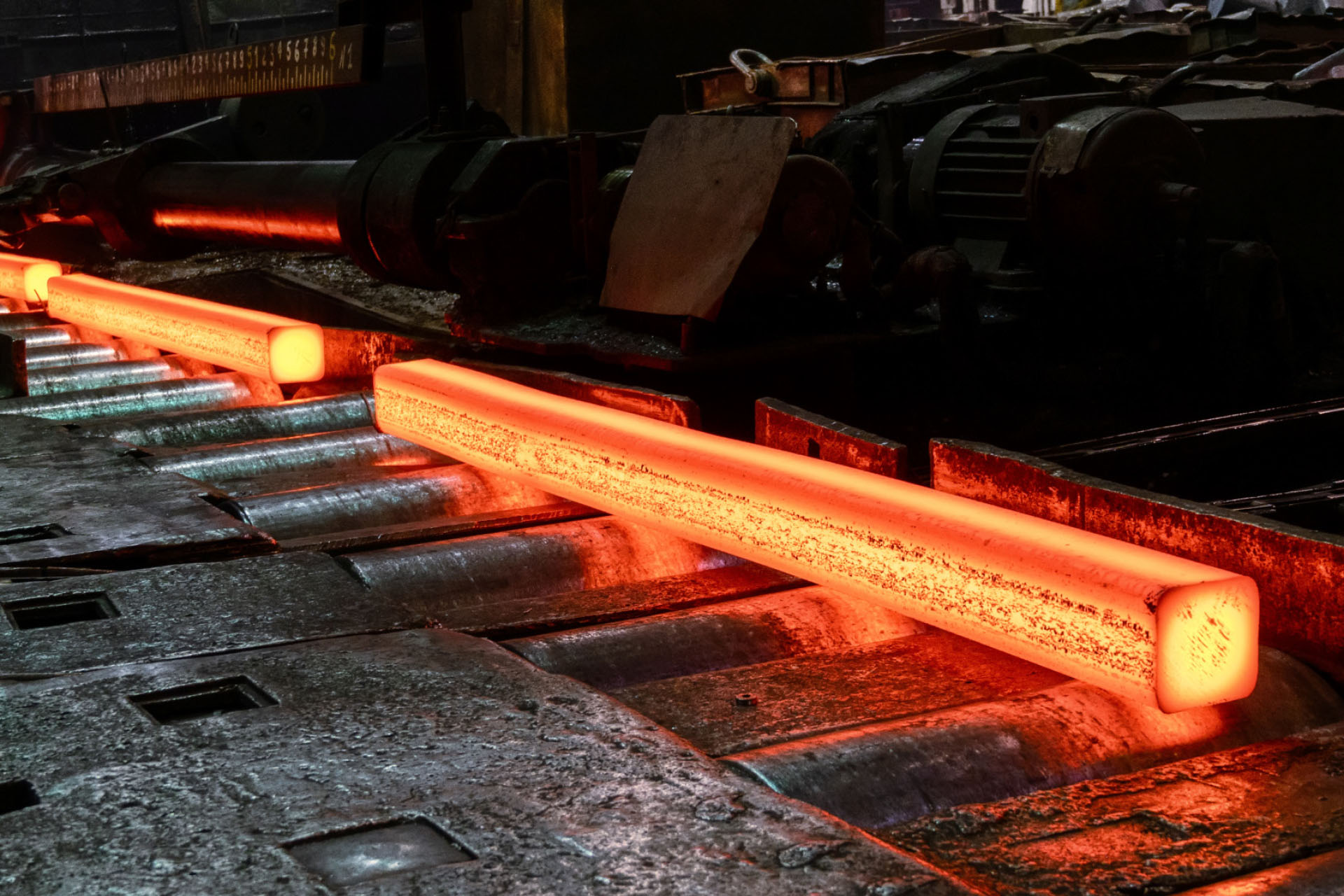
Hardness, tensile strength and foreign material inspection of forged products